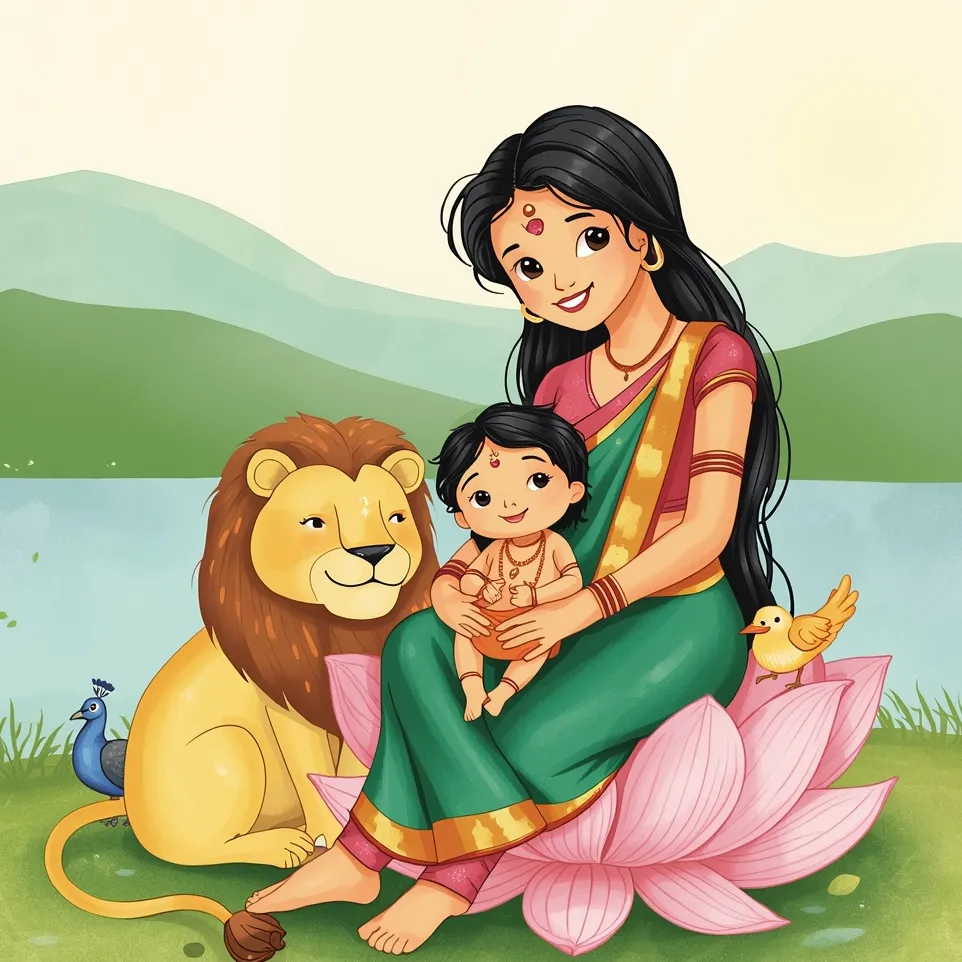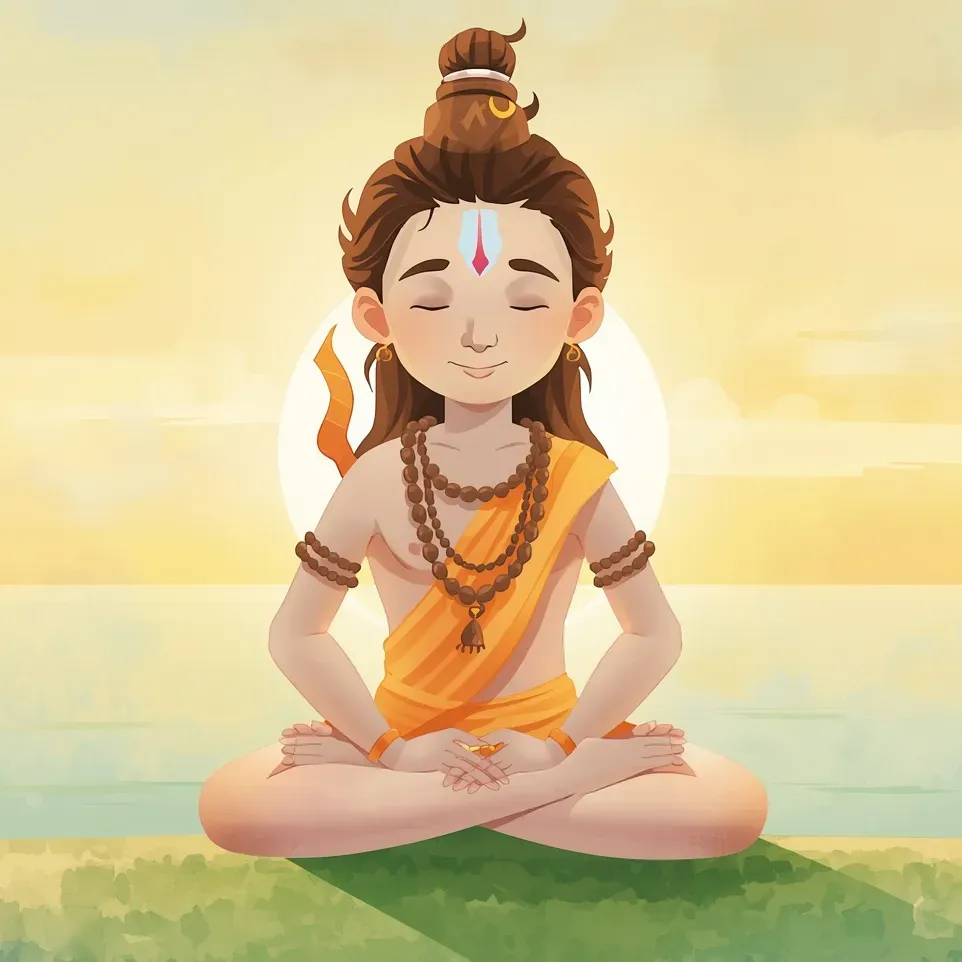
Shiva and the Blue Throat
Before the ocean gave up its treasures it gave up something bitter, and someone had to hold it.

There was a time when the gods and the asuras agreed, just once, to work together. They wound a great rope around a mountain, set it in the milk-white ocean, and pulled — one side, then the other, turning the mountain like a churn. They were churning the sea for its treasures. They had been promised wonders, and wonders were what they were waiting for.
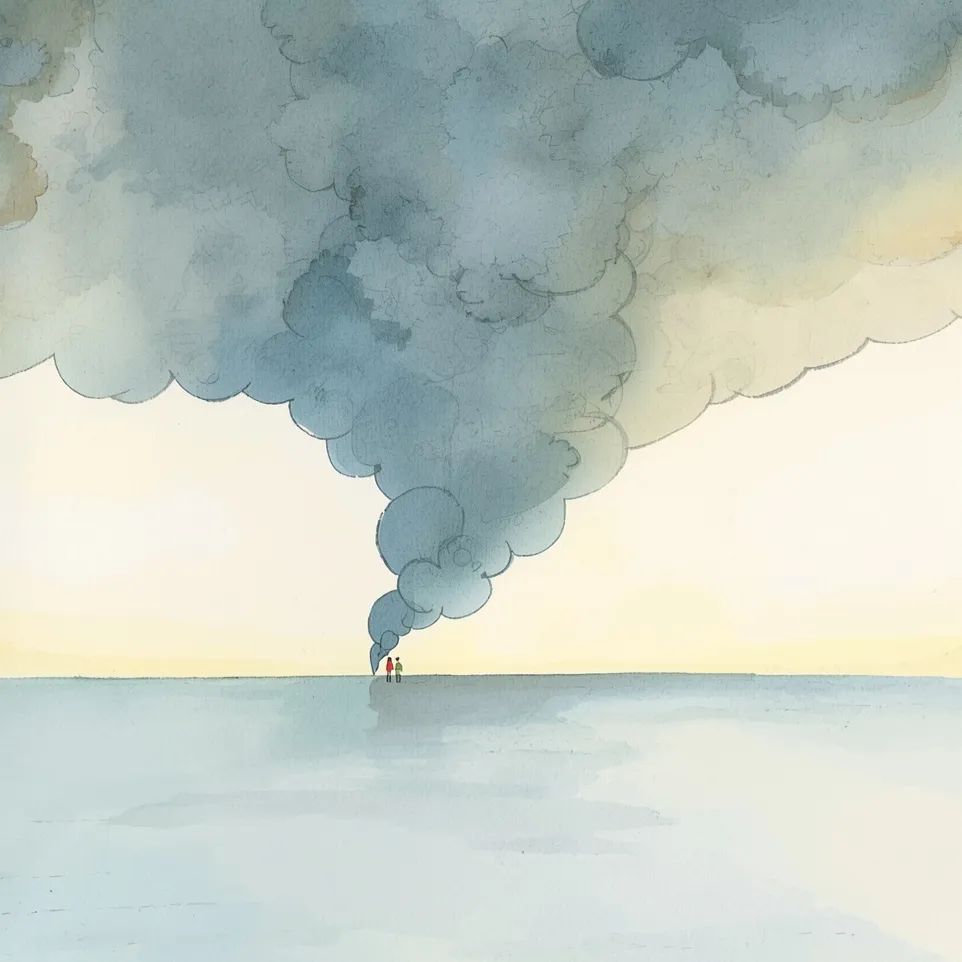
But the sea gives up its gifts in its own order, and what rose first was not a wonder. It was a dark bitter smoke, heavy and cold, and it came up out of the water and began to spread. Wherever it touched, the air went wrong. It rolled towards the shore, and it did not stop.

The churning stopped. Gods and asuras alike let go of the rope and stepped back, and then ran. The birds went quiet in the trees. The cattle would not lift their heads. Every green thing along that shore began to dull, as though the colour were being drawn out of the world — and there was no one left standing who could hold it back.
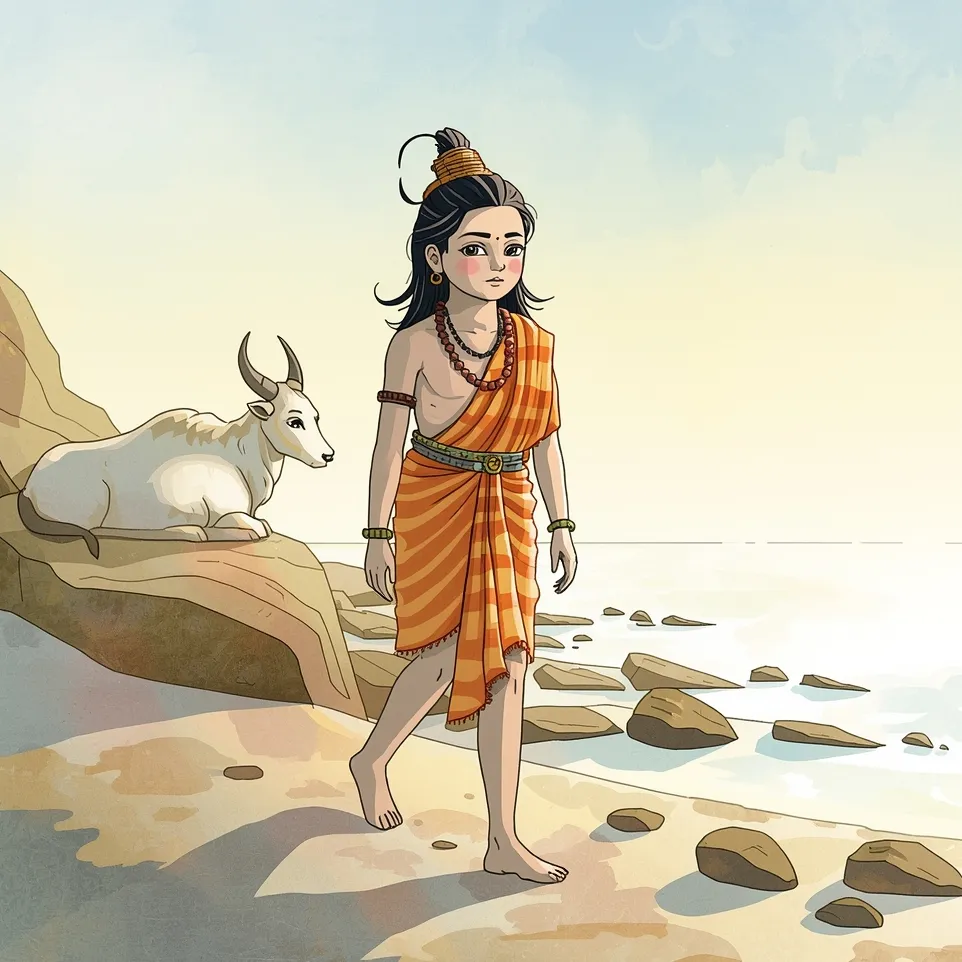
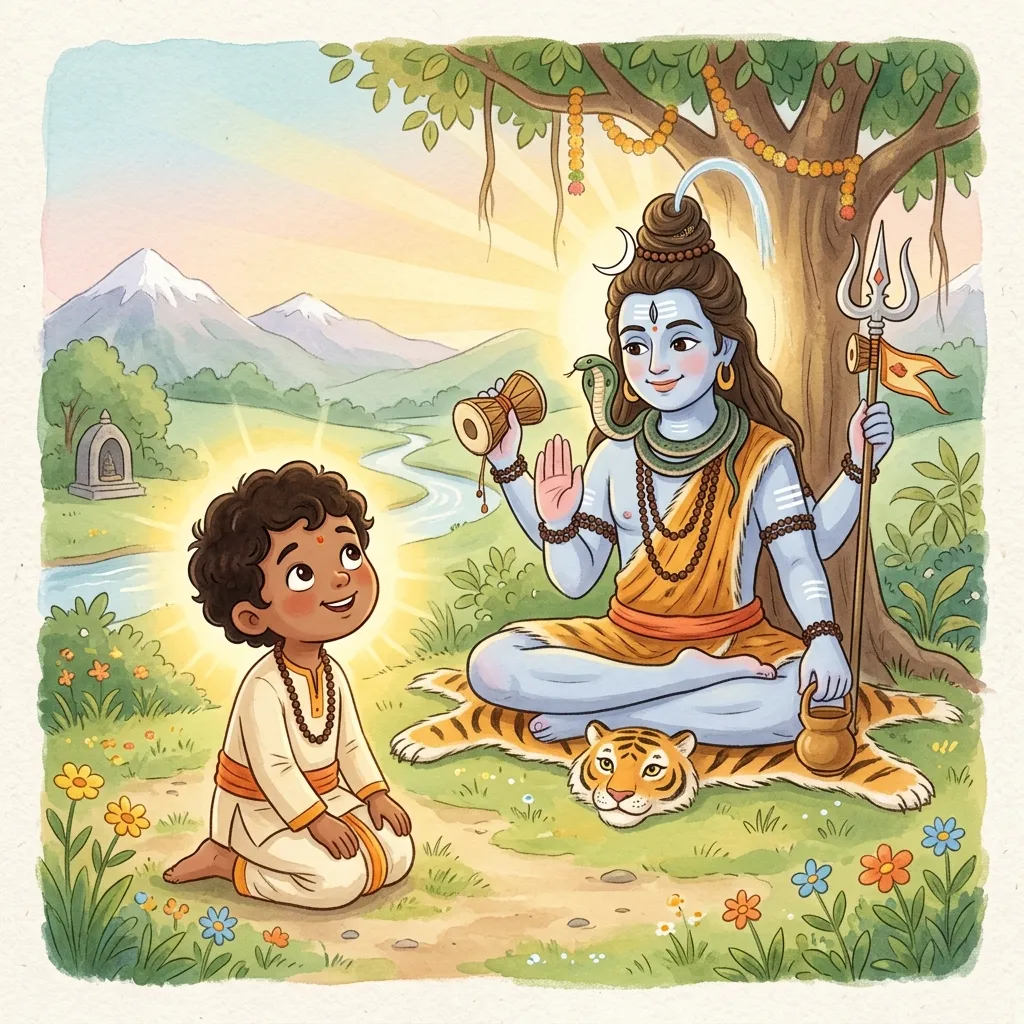
Then someone walked down towards the water, and he did not hurry. Shiva had been sitting up in the mountains in the deep quiet he keeps, and he had felt the world go wrong from a long way off. He came to the edge of the sea, looked at the thing rising out of it, and did not step back.
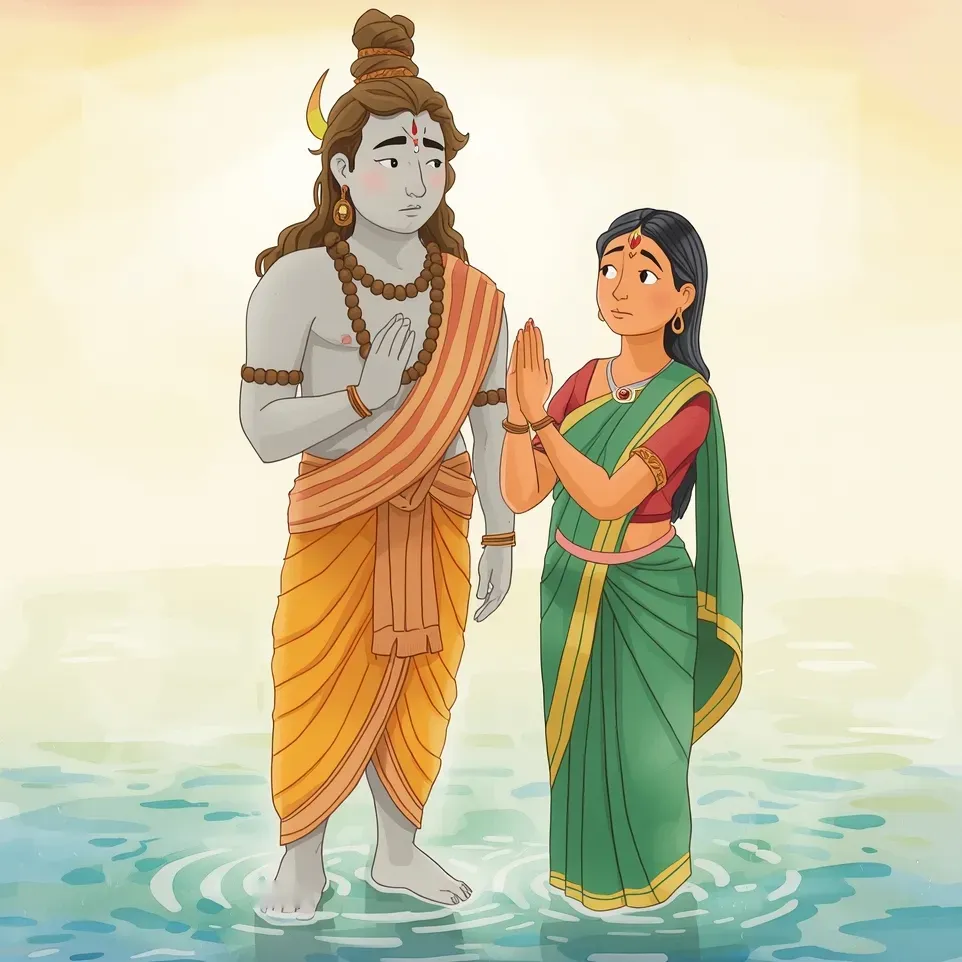
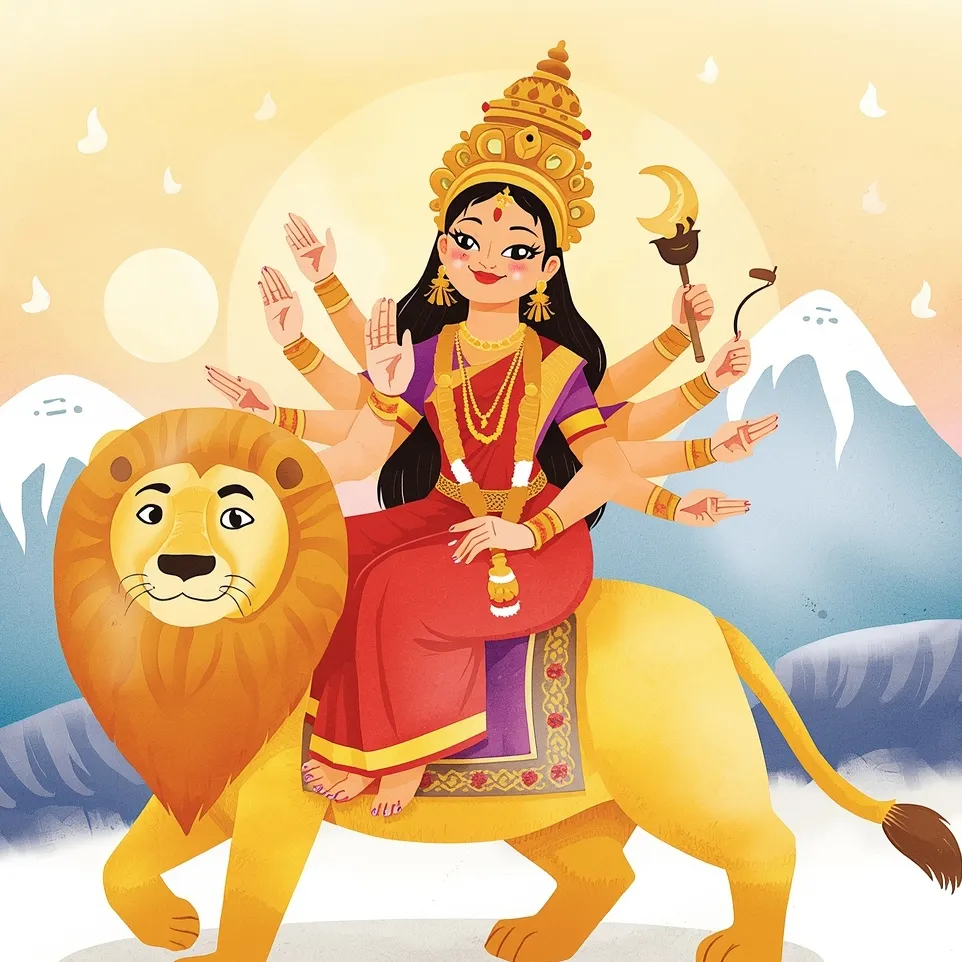
He gathered the whole of that bitterness up in his two hands, and lifted it, and held it in his throat. He did not swallow it. He simply held it there, still — the way you hold on to a hard thing so that it will not spread to anyone else. Parvati came and laid her hand at his throat, so that it could go no further. And Shiva stood, and did not move, and waited.
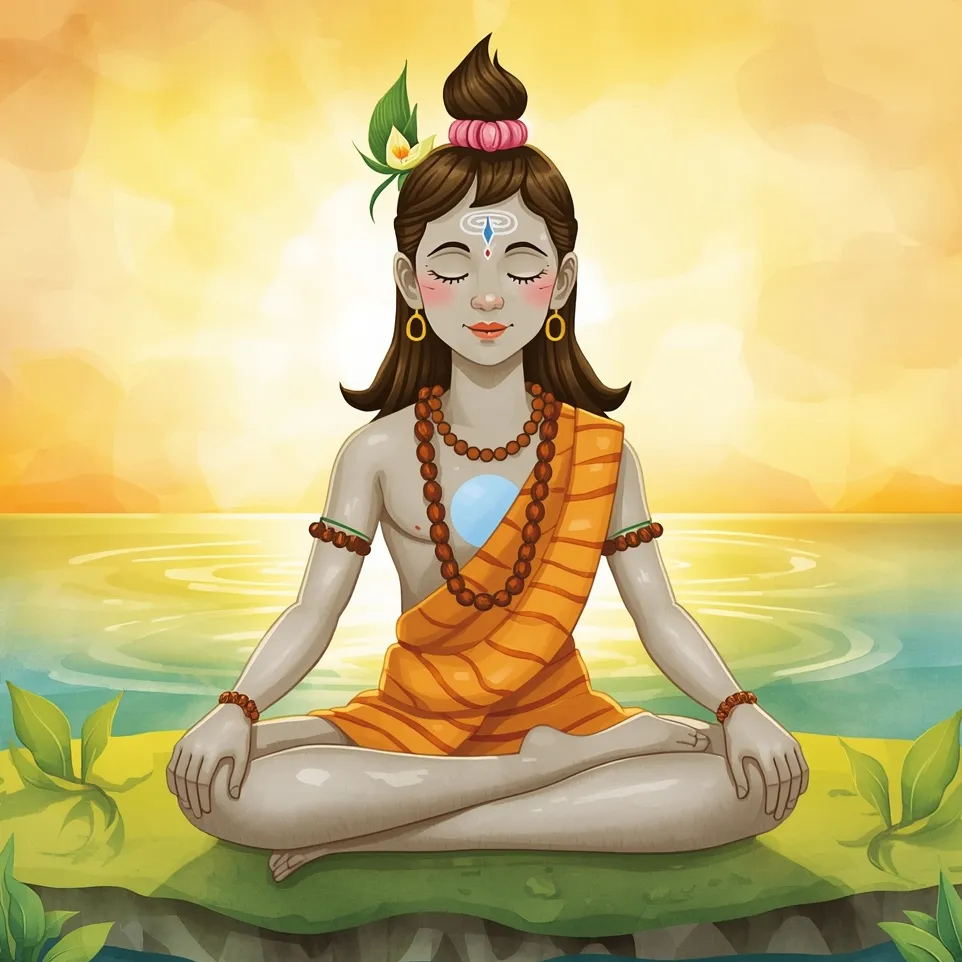
It took a long time. The smoke thinned, and then it was gone, and the shore was quiet again. Colour came back into the leaves. When Shiva finally opened his eyes, the only mark left on him was a soft blue patch at his throat, where he had held it. They call him Neelkantha for it to this day — the blue-throated one. Not because he was strong enough to destroy the bitterness. Because he was calm enough to keep it.
Real courage is not being strong enough to destroy what is bitter. It is being calm enough to hold it.
About this story
Retold from: Bhagavata Purana and Mahabharata — the churning of the ocean of milk (Samudra Manthan) and the origin of Shiva's name Neelkantha, retold gently. The halahala is told here as a bitter smoke that dulls and spreads rather than one that kills, and the rivalry between devas and asuras is left as a single uneasy truce rather than a war.
Bandana
EnglishOm — we bow to Shiva, the auspicious one.
नेपालीॐ — हामी कल्याणकारी शिवलाई नमस्कार गर्छौं।
हिन्दीॐ — हम कल्याणकारी शिव को नमस्कार करते हैं।